

Introduction to Auto Engine Maintenance and Optimization
Proper auto engine maintenance and optimization are crucial for achieving peak performance and prolonging the life of an engine. Regular maintenance tasks include oil changes, filter replacements, and system checks.
Key Areas of Focus
- Oil Changes: Regular oil changes ensure lubrication and prevent wear.
- Air Filters: Clean air filters promote better airflow and efficiency.
- Spark Plugs: Replacing worn spark plugs ensures optimal engine firing.
- Coolant Levels: Maintaining appropriate coolant levels prevents overheating.
- Belt and Hose Inspections: Regular inspections prevent unexpected breakdowns.
Benefits
- Improved fuel efficiency
- Enhanced engine life
- Reduced emissions
- Consistent power output
Understanding Your Engine Components
To effectively maintain and optimize an auto engine, one must understand its critical components:
- Cylinder Block: Houses the cylinders, pistons, and crankshaft.
- Cylinder Head: Contains various vital parts like the valves and spark plugs.
- Crankshaft: Converts the pistons’ linear motion into rotational motion.
- Camshaft: Regulates the timing of valve movement.
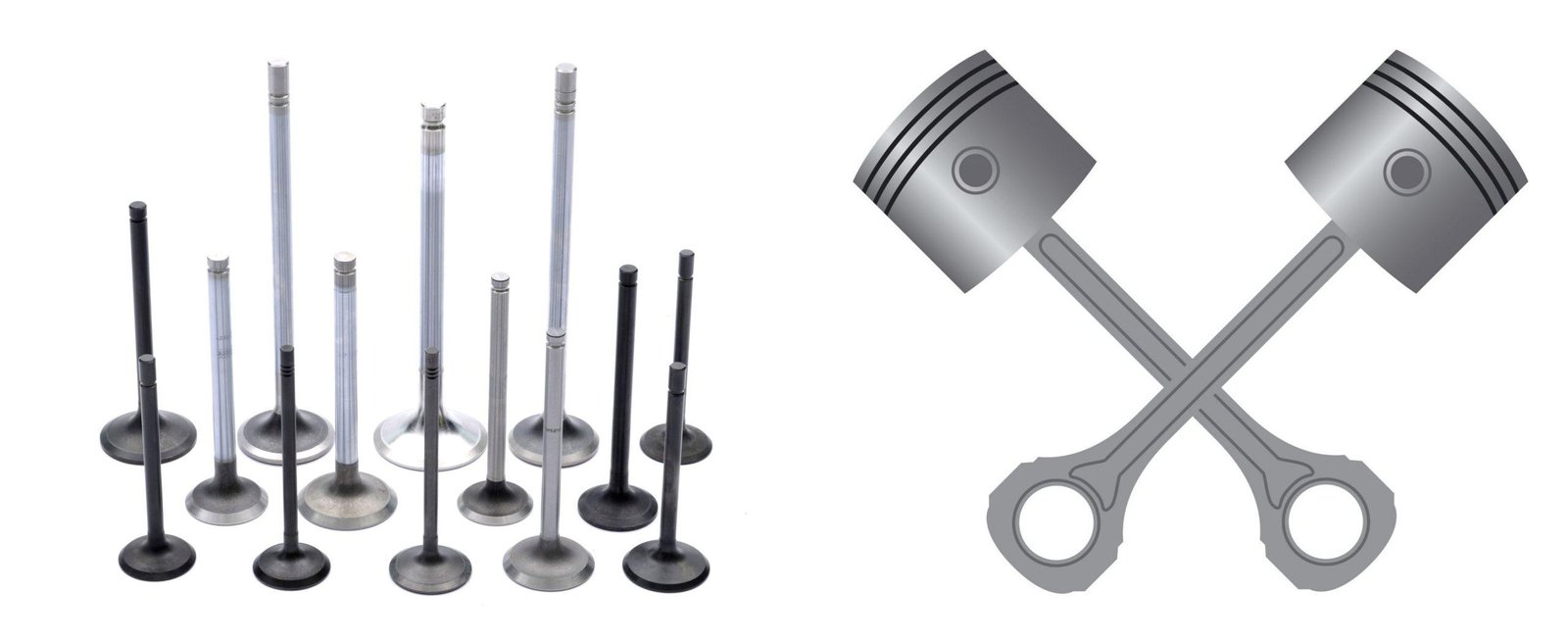
- Piston: Moves within the cylinder to compress the air-fuel mixture.
- Valves: Control the intake and exhaust of the air-fuel mixture.
- Timing Belt/Chain: Synchronizes the crankshaft and camshaft.
Understanding these components provides a foundation for ensuring optimal engine performance.
Regular Maintenance Practices
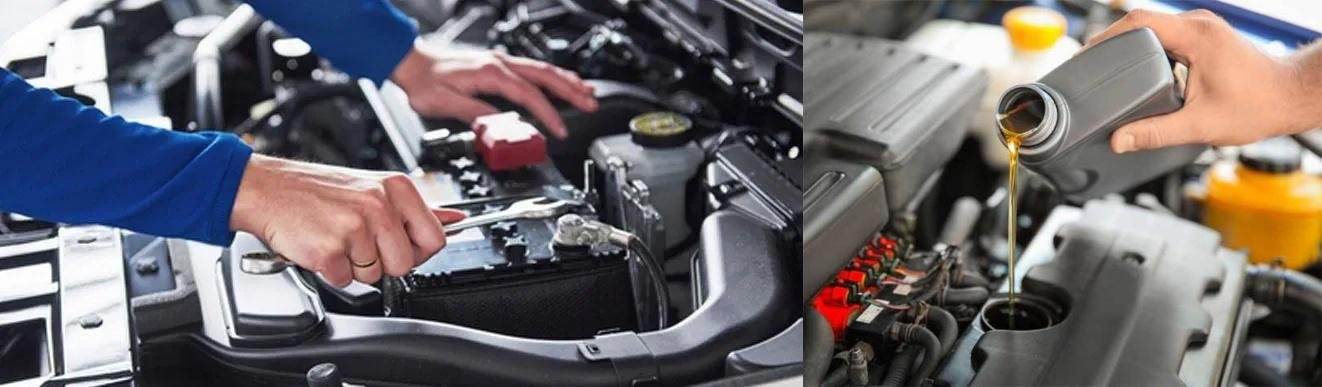
Implementing regular maintenance practices ensures an auto engine operates efficiently. Key areas to focus on include:
- Oil Changes: Replace engine oil and filter according to the manufacturer’s recommendations.
- Air Filter Replacement: Inspect and replace the air filter approximately every 12,000 to 15,000 miles.
- Spark Plug Inspection: Check and replace spark plugs every 30,000 miles or as per the vehicle’s manual.
- Coolant Levels: Monitor and top up the coolant to prevent engine overheating.
- Belt and Hose Inspection: Regularly check belts and hoses for any signs of wear or cracks, replacing them if necessary.
- Battery Maintenance: Clean battery terminals and check for corrosion periodically.
Maintaining these components prolongs engine life and ensures peak performance.
Advanced Optimization Techniques
Advanced optimization techniques ensure the engine operates at its peak. Consider applying the following methods:
- ECU Remapping: Enhancing engine parameters through software adjustments for better fuel efficiency and power.
- Performance Chips: Installing chips to modify fuel and air ratios, boosting overall performance.
- Forced Induction Systems: Using turbochargers or superchargers to increase air intake, resulting in more power.
- High-Flow Exhausts: Reducing back pressure with upgraded systems for efficient exhaust flow.
- Regular Data Logging: Monitoring engine stats via OBD-II tools, identifying areas needing improvement.
Implement these techniques to ensure the auto engine achieves maximum performance and longevity.
Common Mistakes and How to Avoid Them
- Ignoring Regular Oil Changes: Skipping oil changes can lead to engine sludge and increased wear. Refer to the manufacturer’s guidelines for the right oil change intervals.
- Using the Wrong Oil: Using incorrect oil viscosity can reduce lubrication efficiency. Always use the oil type recommended in the owner’s manual.
- Neglecting Air Filters: Dirty air filters reduce airflow, leading to poor engine performance. Replace air filters according to the service schedule.
- Overlooking Coolant Levels: Low coolant levels can cause overheating and engine damage. Regularly check and top up coolant.
- Ignoring Warning Lights: Dismissing dashboard warning lights can lead to serious issues. Address warning lights immediately by consulting a professional mechanic.
Monitoring and Diagnostic Tools
Modern engines benefit significantly from advanced monitoring and diagnostic tools. These tools allow for real-time data collection and efficient problem identification.
- OBD-II Scanners: On-board diagnostics keep track of engine performance and report errors.
- Digital Multimeters: Measure voltage, current, and resistance in various components.
- Vacuum Gauges: Ensure optimal pressure levels in the engine’s intake manifold.
- Compression Testers: Check the compression strength of each cylinder.
- Infrared Thermometers: Monitor engine temperature precisely.
- Fuel Pressure Testers: Verify the fuel system’s pressure and functionality.
- Scan Tools: Provide comprehensive diagnostics with data logging and reporting functions.
Professional Maintenance vs DIY Solutions
Regular maintenance conducted by certified technicians ensures that the engine remains in peak condition. Technicians use advanced diagnostic tools unavailable to the average consumer to identify and address potential issues early. Professional services often come with a warranty, providing added peace of mind.
Do-it-yourself (DIY) solutions offer cost savings and a sense of accomplishment. However, DIY efforts lack the expertise and precision tools that professionals provide. Missteps during a DIY repair can lead to more costly fixes later.
Considerations
- Skill Level: Assess mechanical proficiency honestly.
- Tools: Ensure access to required tools.
- Manufacturer’s Recommendations: Adhere strictly to guidelines.
Final Thoughts and Best Practices
Routine maintenance is pivotal for optimal engine performance. Regular oil changes prolong engine life and enhance efficiency. Air and fuel filters should be checked and replaced as needed. Spark plugs must be inspected for wear and tear. Proper tire inflation is essential to reduce engine load.
- Schedule regular oil changes
- Inspect and replace air and fuel filters
- Check and change spark plugs
- Maintain proper tire inflation
Using high-quality fuel and lubricants can improve performance. Engage a professional mechanic for complex tasks. Follow the manufacturer’s maintenance guidelines rigorously. Keep records of all service and maintenance activities. Regular inspections help prevent costly repairs and ensure longevity.

Shanhe Dongli is a one-stop shop automotive engine supplier. We offer a wide range of products, including original automobile engine long blocks, components, hard-to-find accessories in the market, and OEM and ODM services. Keeping up with the latest developments in the engine industry, our factory’s engine reconditioning business is also top-notch. All parts and components come from brand-original factories with guaranteed quality.
We can also act as your representative in China to help you quickly connect with major automotive brands and match projects, saving you time and effort. It is a reliable choice for all your automotive engine needs. Some of the brands we work with on a long-term basis are Audi engines, Hyundai engines, BMW engines, Buick engines, HONDA engines, Toyota engines, Land-rover engines, Mercedes, BENZ engines, Volkswagen engines, BYD engines, Great Wall engines, Chevrolet engines. etc. The minimum order quantity is 1 unit. please contact us for a quote if you are interested in our products or services. I am looking forward to cooperating with you very much!