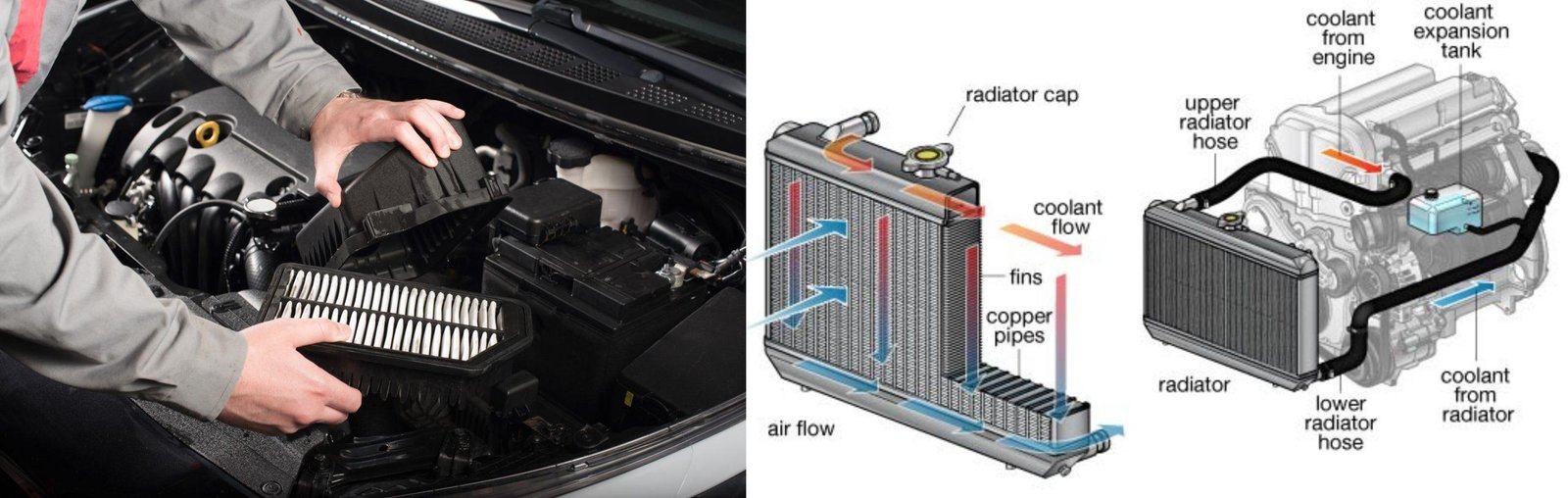
The Importance of Engine Health
A car’s engine is the heart of the vehicle, impacting performance, safety, and longevity. Regular engine maintenance is essential to ensure reliable operation and avoid costly repairs. Key factors influencing engine health include:
- Fuel quality
- Lubrication
- Proper cooling systems
- Periodic check-ups
Neglecting these aspects can lead to significant degradation over time, manifesting as reduced fuel efficiency, increased emissions, and potential engine failure. Understanding the importance of engine health can help individuals make informed decisions about engine replacement and maintenance schedules, ultimately preserving vehicle integrity and safety.
Signs Your Car Engine Needs Replacement
Recognizing the signs that a car engine needs replacement is crucial for every vehicle owner. Here are some indicators:
- Consistent Overheating: Frequent overheating, despite repairs, suggests significant internal problems.
- Excessive Smoke: Blue smoke may indicate burning oil, while white smoke might suggest coolant leaking into the engine.
- Knocking Noises: Persistent knocking or tapping sounds often signify severe internal damage.
- Severe Power Loss: Noticeable and persistent power reduction, even after maintenance, is a major red flag.
- Metal Shavings: Finding metal shavings in the oil suggests internal engine components are wearing out and failing.
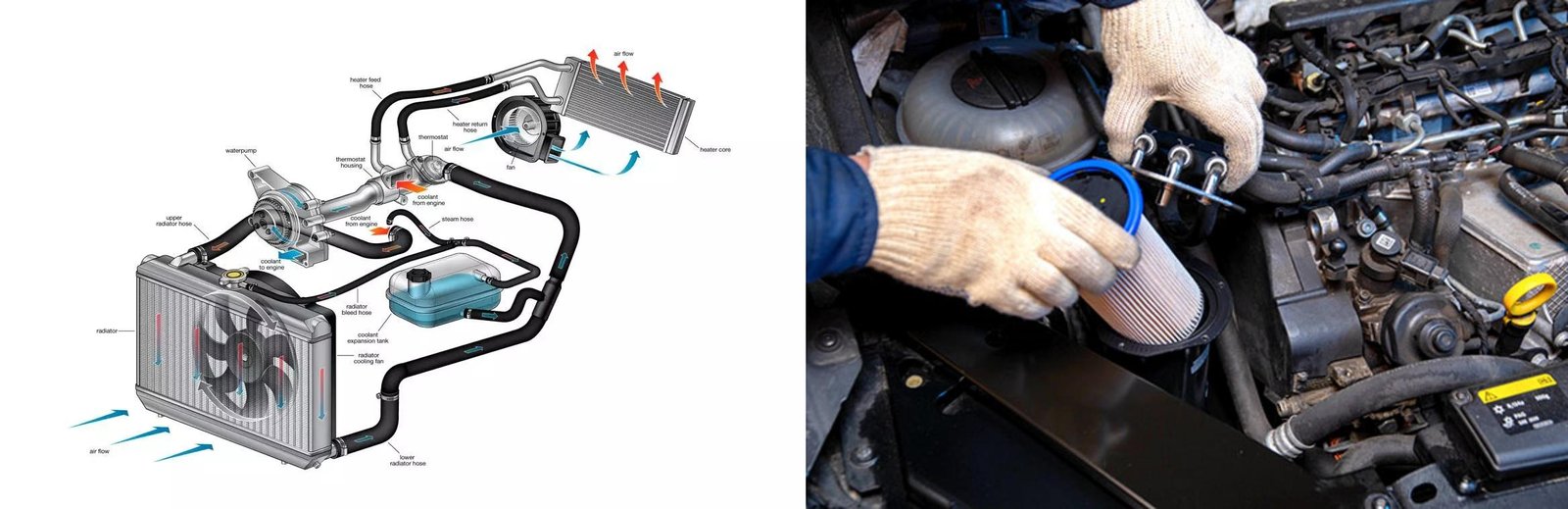
Factors Affecting Engine Lifespan
Several factors can influence how long an engine lasts:
- Maintenance Routine
- Regular oil changes
- Proper coolant levels
- Timely replacement of filters
- Driving Habits
- Aggressive acceleration
- Frequent short trips
- Heavy towing
- Quality of Parts
- OEM parts vs. aftermarket
- Longevity of components
- Quality of fuel and oil
- Environmental Conditions
- Extreme temperatures
- High humidity levels
- Dusty or polluted environments
- Usage Patterns
- Frequent idling
- Extended periods of high RPM
- Urban vs. highway driving
Common Reasons for Engine Failure
Understanding the common reasons for engine failure can help in early detection and prevention. Some typical causes include:
- Lack of Regular Maintenance
- Skipping oil changes
- Ignoring coolant flushes
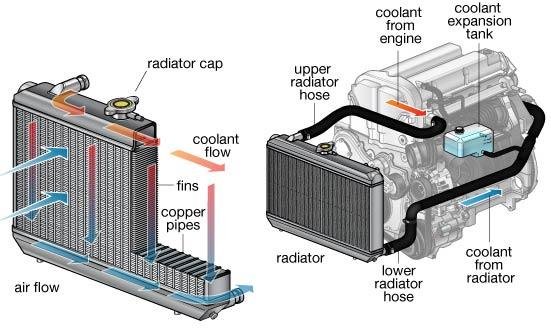
- Overheating
- Faulty radiator
- Broken water pump
- Lubrication Issues
- Oil leaks
- Use of incorrect oil type
- Misuse and Overloading
- Pushing the engine beyond its capacity
- Consistent aggressive driving
- Faulty Components
- Worn-out spark plugs
- Malfunctioning sensors
- Fuel Problems
- Poor quality fuel
- Fuel contamination
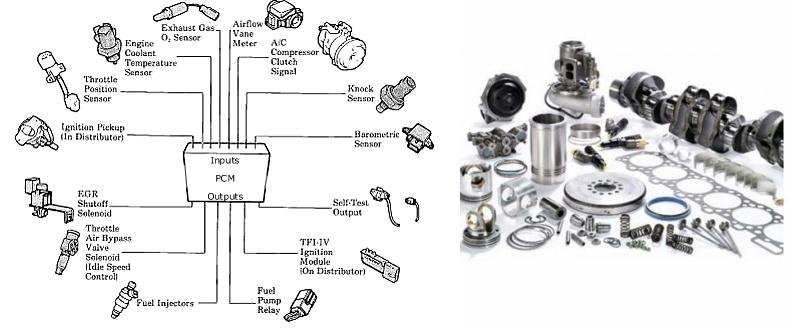
Understanding Engine Mileage: How Far Can You Go?
Engine mileage serves as a key indicator of a vehicle’s health and potential lifespan. Several factors influence how far an engine can travel before needing replacement:
- Maintenance Practices: Regular oil changes, timely replacements of filters, and scheduled tune-ups can extend an engine’s longevity.
- Driving Habits: Gentle acceleration and deceleration, along with consistent driving speeds, reduce wear and tear on engine components.
- Quality of Engine: Engines from reputable manufacturers often offer higher reliability and longer lifespans.
- Fuel Quality: High-quality fuel minimizes the build-up of deposits and keeps the engine running smoothly.
- Operating Conditions: Operating in extreme temperatures or conditions can significantly impact engine wear and longevity.
In general, well-maintained engines can last upwards of 200,000 miles, offering reliable performance throughout.
Evaluating the Costs of Engine Replacement
Evaluating the costs of engine replacement involves considering several key factors:
- Part Prices: The cost of a new or rebuilt engine varies significantly based on the make, model, and age of the vehicle.
- Labor Costs: Labor rates vary by region and the complexity of the engine installation can significantly influence the total bill.
- Warranty and Guarantees: Often, rebuilt engines come with warranties that can provide peace of mind but may increase initial costs.
- Ancillary Parts: Additional parts such as hoses, belts, and other components may also need replacement.
- Long-term Value: Calculating the added value to the vehicle’s lifespan and performance post-replacement.
How to Choose a Replacement Engine
Selecting the right replacement engine is vital for vehicle performance and longevity.
Considerations
- Compatibility: Ensure the engine is compatible with the car’s make, model, and year.
- New vs. Used: Decide between a new, rebuilt, or used engine based on budget and reliability.
- Warranty: Check for available warranties on replacement engines for added security.
- Supplier Reputation: Choose a reputable supplier or manufacturer for quality assurance.
- Mechanic Expertise: Consult with a certified mechanic to confirm engine suitability and installation proficiency.
“Quality over price should guide the decision-making process.”
Proper research ensures a wise investment.
Steps to Take Before Replacing Your Engine
Owners should undertake a comprehensive evaluation before replacing their car engines. To ensure all aspects are considered, follow these steps:
- Consult a Mechanic
- Seek a professional diagnosis to confirm engine replacement necessity.
- Assess Vehicle Value
- Compare the car’s current market value against repair costs.
- Check Warranty Status
- Determine if the replacement is covered under warranty.
- Explore Repair Options
- Investigate potential repairs that might be less costly.
- Review Replacement Costs
- Obtain quotes from multiple sources to understand potential costs.
- Consider Vehicle History
- Review maintenance records to evaluate the car’s overall condition.
- Taking these steps ensures an informed decision, balancing cost, benefit, and practicality.
The Benefits of Replacing Your Engine
Replacing a car engine offers multiple advantages beyond extending the vehicle’s life. New engines provide improved fuel efficiency and reduced emissions, aligning with modern environmental standards. Additionally, advanced technology in new engines can deliver better performance and enhanced reliability.
The car’s resale value can also increase significantly after an engine replacement.
Key Benefits:
- Fuel Efficiency: Newer engines are generally more fuel-efficient.
- Reduced Emissions: Comply with environmental standards.
- Performance: Enhanced power and smooth operation.
- Reliability: Lower chances of breakdowns and repairs.
- Resale Value: Increases market value of the car.
Replacing the engine thus provides both immediate and long-term benefits.
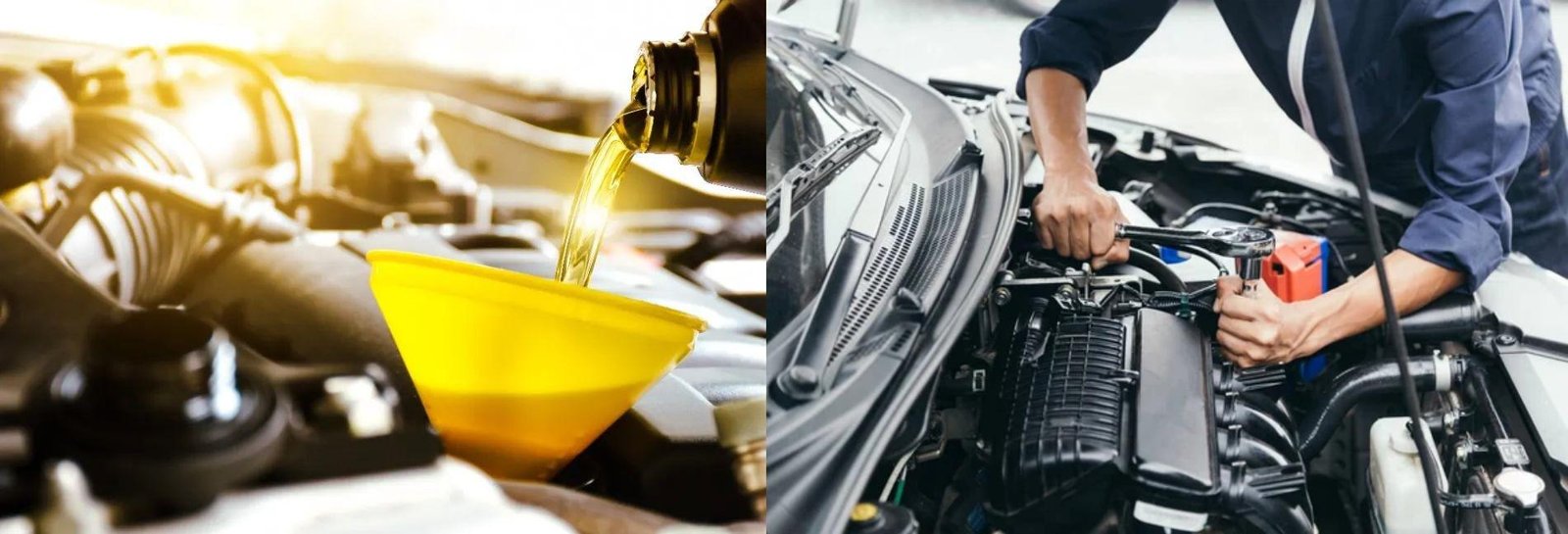
Environmental Impact of Engine Replacement
Replacing a car engine has significant environmental implications.
- Resource Extraction: The mining of raw materials for manufacturing engines contributes to habitat destruction and pollution.
- Manufacturing Process: Engine production involves energy-intensive processes, releasing greenhouse gases and other pollutants.
- Disposal Issues: Old engines may end up in landfills, leaking harmful chemicals into soil and groundwater.
- Transportation Emissions: Moving new engines and disposing of old ones generates additional carbon emissions.
- Energy Consumption: Repairing an existing engine generally consumes less energy than manufacturing a new one.
Governments promote recycling programs to mitigate these impacts.
Making the Right Decision for Your Car
Deciding when to replace a car engine requires careful consideration of multiple factors.
- Assessment of Vehicle Condition: Regular maintenance reports and engine diagnostics are critical.
- Cost Analysis: Compare the engine replacement cost with the vehicle’s current market value.
- Future Plans: Consider the length of time one plans to keep the vehicle.
- Warranty: Review any warranties that may cover engine components.
- Environmental Impact: Evaluate the ecological implications of engine replacement.
A methodical approach ensures the decision aligns with financial, operational, and sustainability goals.